
The short answer
Recoverable depreciation is the part of a replacement cost claim the insurer holds back until the repair or replacement is done. The first payment is actual cash value, replacement cost minus depreciation. The standard ISO homeowners form pays the rest once the work is complete, up to the amount actually spent, and asks for notice of intent to repair within 180 days.
Key takeaways
- Per the ISO HO-3, small building losses skip the holdback only when under both 5% of the building limit and $2,500; above $50,000 of coverage the dollar figure is the test that binds.
- Per the NFIP flood policy, work over $1,000 or 5% of coverage is not paid at replacement cost until it is completed.
- Personal property is actual cash value on the base ISO HO-3, so its depreciation is not recoverable unless the policy adds replacement cost for contents, as the NJM form does.
- California sets a floor of 12 months from the first ACV payment to collect, 36 months after a state of emergency, with 6-month extensions for good cause.
- California and Washington rules bar depreciating repair labor; Xactimate has a setting for exactly that.
- A recoverable line prints in parentheses on a Travelers estimate; a non-recoverable one prints in angle brackets.
On this page
The lines on your estimate
Most people meet recoverable depreciation as a column on a claim estimate. The Travelers estimate guide prints a legend for its estimates: if depreciation is recoverable, the amount is shown in parentheses; if it is not recoverable, it is shown in angle brackets. Other carriers’ layouts vary, so read the legend on yours before adding anything up.
| Line | Meaning | What it does to the money |
|---|---|---|
| RCV | Quantity times unit cost | The full repair price |
| Depreciation in ( ) | Recoverable | Held back, payable later |
| Depreciation in < > | Not recoverable | Deducted for good |
| ACV | RCV minus depreciation | Basis of the first payment |
| Deductible | Your share of the loss | Comes off the first check |
| Net claim | After depreciation and deductible | Never above the limit |
| Total recoverable depreciation | Sum of ( ) amounts | The figure to claim back |
The depreciation is a setting, not a fact of nature. The Xactware help article on Xactimate depreciation lists separate switches for depreciating material, non-material costs such as labor and equipment, and removal, and notes that not all carriers and regulatory agencies allow every type. How the unit prices themselves are built is on our how Xactimate pricing works page.
Actual cash value vs replacement cost
The SFIP Dwelling Form defines actual cash value as the cost to replace an insured item at the time of loss, less the value of its physical depreciation. The California Insurance Code section 2051 adds a limit California insurers must follow: a deduction for physical depreciation applies only to components of a structure that are normally subject to repair and replacement during its useful life. Replacement cost is the same repair priced without that deduction.
Which basis applies is set property type by property type. That is why one claim can carry recoverable depreciation on drywall and non-recoverable depreciation on the sofa.
| Form | Property | Loss settlement basis |
|---|---|---|
| ISO HO-3 | Dwelling and other buildings | Replacement cost if insured to 80% |
| ISO HO-3 | Personal property | Actual cash value |
| ISO HO-3 | Awnings, carpeting, appliances, structures that are not buildings | Actual cash value |
| NJM HO-3 | Personal property, carpeting, appliances | Replacement cost (built into this form) |
| NFIP SFIP | Single-family principal residence | Replacement cost if insured to 80% or the maximum |
| NFIP SFIP | Personal property, appliances, carpets, detached garages, two to four family dwellings | Actual cash value |
Under-insurance changes the result. Per the ISO HO 00 03 05 11, if the building is insured for less than 80% of its full replacement cost, the form pays the greater of actual cash value or a proportion of replacement cost, the insured amount divided by 80% of replacement cost. The SFIP uses a similar formula. Whether the loss is covered at all is a separate question; see does homeowners insurance cover water damage.
The depreciation holdback
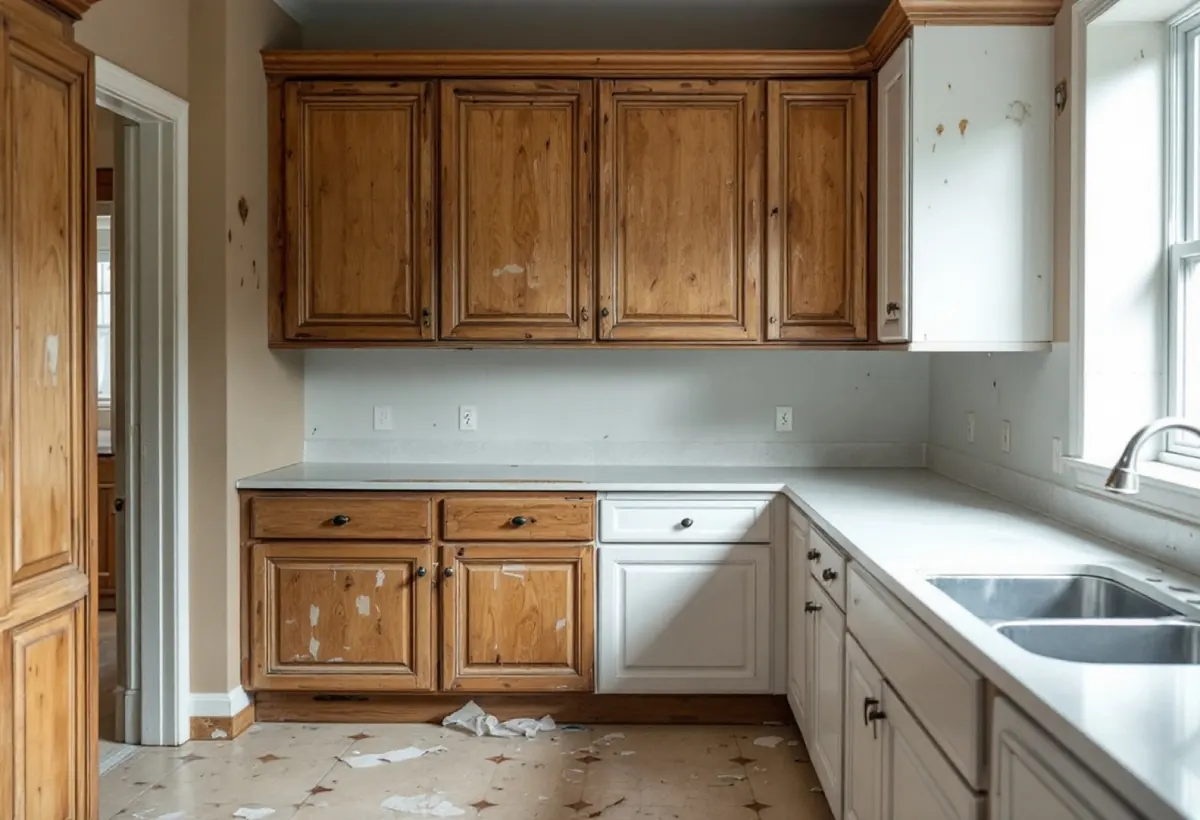
The holdback clause in the ISO HO 00 03 05 11 is one sentence: we will pay no more than the actual cash value of the damage until actual repair or replacement is complete. Once it is complete, the form settles at replacement cost, capped at the least of the limit, the replacement cost of the damaged part with like kind and quality, and the necessary amount actually spent.
Per the ISO HO 00 03 05 11, the holdback does not apply when the cost to repair is both under 5% of the building limit and under $2,500. Per the SFIP Dwelling Form, the flood policy holds back anything over $1,000 or over 5% of the amount of insurance. Arithmetic per the figures in those forms: the percentage limb only matters for a building insured below $50,000 under ISO wording, or below $20,000 under the SFIP.
| Form | Holdback applies | Time condition |
|---|---|---|
| ISO HO-3 buildings | Unless under 5% of the limit and under $2,500 | Notify intent within 180 days of loss |
| NFIP SFIP dwelling | Over $1,000 or over 5% of the amount of insurance | Notify intent within 180 days of loss |
| NJM personal property | Over $500 | Notify intent within 180 days of loss |
| NJM guaranteed replacement cost, if on declarations | Partial loss | Begin repairs within 180 days or receive RC less depreciation |
| USAA HO-3R(02) | Until repair is complete | Complete within one year; 180-day extension on written request; notify within 30 days |
How long you have
No single deadline exists, and the forms do not even measure the same thing. ISO and the SFIP set a notice deadline: tell the insurer within 180 days of the loss that you intend to repair. NJM’s guaranteed replacement cost wording sets a start deadline. The USAA HO-3R(02) form on file in Oklahoma sets a completion deadline of one year, extendable in writing.
California overrides short clocks by statute. Per the California Insurance Code section 2051.5, an insurer may not set less than 12 months from the first actual cash value payment to collect full replacement cost, or less than 36 months for a loss tied to a declared state of emergency, and must grant 6-month extensions when an insured acting in good faith is delayed by permits, materials or contractor availability. The statute also bars policies from limiting replacement cost after a total loss because the owner rebuilds or buys elsewhere, capped at the cost at the original site.
The California Department of Insurance claims guide puts it plainly for contents: you normally need to replace the damaged items before the insurer pays replacement cost, and items you decide not to replace are paid at actual cash value. The time limit that applies to you is printed in your loss settlement condition.
State rules
Regulators have written rules on three questions: how long an owner has, what can be depreciated, and how much may be held back. These describe what insurers must do in those states; they do not say what a given claim pays.
| State | Question | Rule | Source |
|---|---|---|---|
| California | ACV holdback and timing | ACV until repaired; at least 12 months, 36 after an emergency | California Insurance Code section 2051.5 |
| California | What can be depreciated | Only components normally repaired or replaced in the structure’s life | California Insurance Code section 2051 |
| California | Labor and itemizing | Repair labor not depreciable; deductions itemized and explained in writing | California regulation 10 CCR 2695.9 |
| Washington | Labor | Repair labor not depreciable, effective 1 January 2022 | Washington OIC rule R 2021-04 (WAC 284-20-010) |
| Florida | Dwelling holdback | At least ACV first, the rest as work is performed; no holdback on a total loss | Florida Statutes section 627.7011 |
| Florida | Contents | Insurer must offer replacement cost with no holdback | Florida Statutes section 627.7011 |
| Texas | What ACV may not deduct | Contractor overhead and profit, and sales tax on materials, HO-B dwelling | Texas Commissioner's Bulletin B-0045-98 |
| Texas | Regulator guidance | First check likely ACV; remainder after repairs start and proof | Texas Department of Insurance disaster claims FAQ |
The labor rule is worth quoting. The California regulation 10 CCR 2695.9 says that, except for intrinsic labor included in manufactured goods, the expense of labor necessary to repair, rebuild or replace covered property is not a component of physical depreciation and shall not be subject to depreciation or betterment. The Washington amendment (Washington OIC rule R 2021-04 (WAC 284-20-010)) uses nearly identical words. In Florida, Florida Statutes section 627.7011 lets an insurer limit a roof payment to actual cash value until it receives proof the roof deductible was paid.
Non-recoverable depreciation
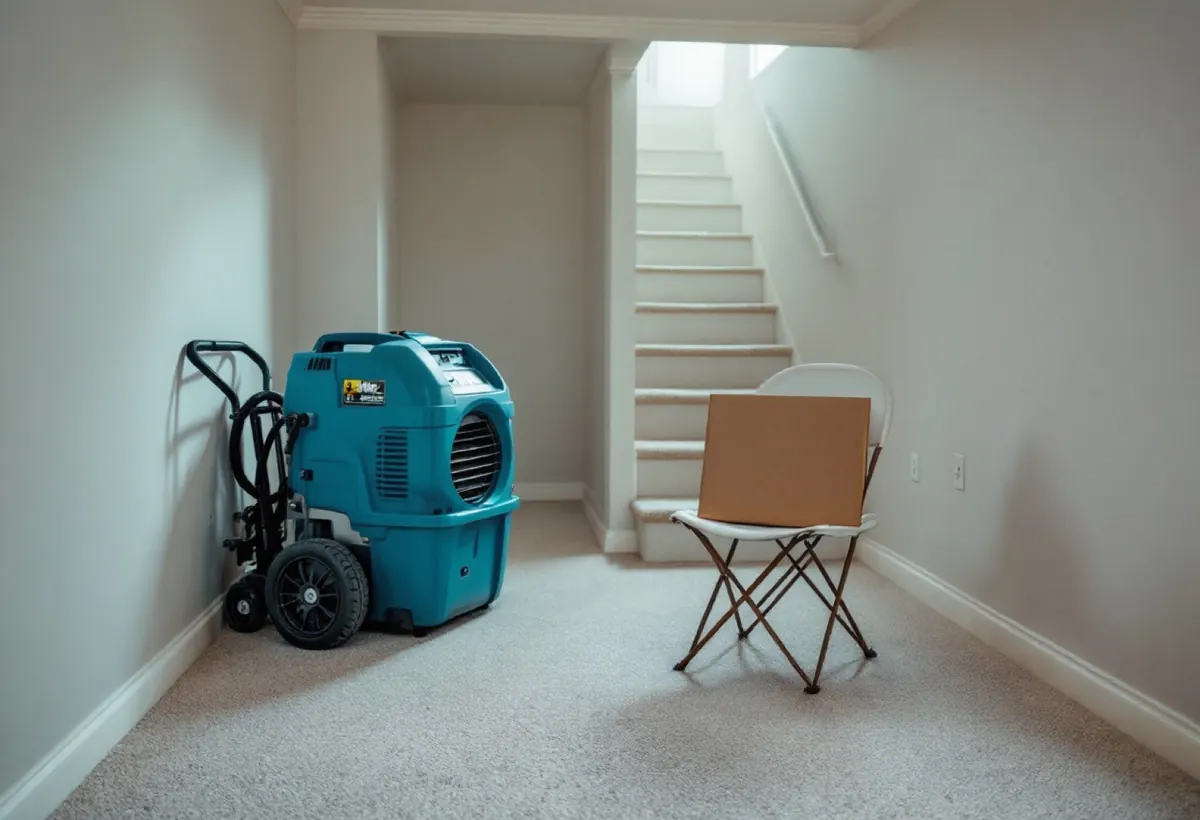
These forms make depreciation non-recoverable for six reasons. Some are fixed when the policy is written; others are created by what happens after the loss.
| Reason | Where the wording says it | Effect |
|---|---|---|
| Property the form settles at ACV | Base ISO personal property, awnings, carpeting, appliances; NFIP contents | Permanent |
| Items excluded from a contents endorsement | NJM: antiques, memorabilia, unmaintained or obsolete stored items | Permanent |
| No repair or replacement | ISO pays ACV until work is complete | Becomes permanent |
| Missed notice or completion window | ISO, SFIP, USAA conditions | Can forfeit the second payment |
| Under the 80% insurance to value | ISO and SFIP proportional formula | Reduces the second payment |
| Spent less than the estimate | Capped at amount actually spent | Balance not paid |
The last row surprises owners most. Because the ISO cap includes the necessary amount actually spent, a repair finished for less than the estimate does not release the whole held-back figure. Cleaning or restoring contents instead of replacing them is covered in our contents restoration report.
How to get recoverable depreciation
This checklist follows the order the wording sets. It is a reading aid, not advice on your claim.
- Find your loss settlement condition. Note the basis for each property type and any time limit. Why this differs from generic advice: the deadline might count notice, start or completion, depending on the form.
- Send written notice of intent to repair early. Why this differs: ISO and the SFIP measure 180 days from the loss, not from the first check.
- Ask for any extension in writing before the date. Why this differs: the USAA form requires the request during the one-year period, and California ties extensions to good cause.
- Keep the paid invoice and the contract scope. Why this differs: the second payment is capped at the amount actually spent, so proof of payment is the evidence that counts.
- Photograph the completed work room by room. Why this differs: the Texas regulator says the remainder follows once you have started repairs and show proof.
- Match receipts to the estimate’s contents lines. Why this differs: on contents, the form or endorsement may pay per receipt rather than in one sum; Florida’s statute describes that receipt-by-receipt process.
- Send the package and request the recoverable total. Why this differs: the figure to request is the total recoverable depreciation line, not the whole depreciation column.
The proof itself is covered on our proof of loss page, and a check made out to the lender as well on our insurance check and mortgage company page.
When the gap is bigger than paperwork
- Labor depreciated in California or Washington. Both rules bar it; ask for the calculation in writing, which California’s regulation requires.
- A depreciation percentage with no explanation. California requires deductions to be measurable, itemized and explained to the claimant in writing.
- A deadline that permits or contractors will miss. Request the extension in writing before it passes.
- Overhead and profit or sales tax removed from ACV in Texas. The 1998 bulletin addresses that for Form B.
- A dispute over the amount. The ISO appraisal clause applies to the amount of loss.
At that point a licensed public adjuster or attorney should read the policy; see public adjuster fees and your state insurance department.
For contractors: the completion package
For a restoration or rebuild contractor, the held-back amount is released, per the ISO wording, only once repair is complete, so the owner needs proof from the job file. The package below maps each document to the clause it satisfies. Typical rebuild price ranges are on our water damage restoration cost page.
| Document | Clause it answers |
|---|---|
| Final invoice marked paid | Amount actually spent cap |
| Signed contract and scope | Like kind and quality |
| Completion photos by room | Repair is complete |
| Change orders with reasons | Differences from the estimate |
| Permit and inspection sign-off | Good-cause delay record |
| Materials invoices | Material line pricing |
Write change orders in the estimate’s line terms, keep permit dates, since California’s statute names permit delays as good cause, and invoice what was actually done.
What this page does not cover. Whether a loss is covered, what a claim is worth, or legal advice on a specific policy. For those, read your policy, contact your state insurance department and speak to a licensed public adjuster or attorney.
Questions people actually ask
What is recoverable depreciation?
It is the depreciation an insurer withholds from a replacement cost claim and pays after the repair or replacement is complete. The ISO HO-3 pays actual cash value first, then settles at replacement cost, capped at the amount actually spent, once the work is done.
How do I get recoverable depreciation?
Complete the repair or replacement, keep the paid invoices and photos, and send them to the insurer within the policy’s time condition. The Texas Department of Insurance says the remainder is sent once you have started repairs and show proof. Your loss settlement condition sets the details.
How long do I have to claim recoverable depreciation?
It depends on the form. The ISO HO-3 and the NFIP flood policy ask for notice of intent to repair within 180 days of the loss. One USAA form allows one year to complete, plus 180 days on written request. California requires at least 12 months from the first ACV payment, 36 after a state of emergency.
What is non-recoverable depreciation?
Depreciation that is deducted permanently. It applies to property the policy settles at actual cash value, such as personal property on the base ISO HO-3, and to amounts never released because the work was not done, was done for less, or missed a time condition. Travelers estimates print it in angle brackets.
Can insurance depreciate labor?
It depends on the state and the policy. California regulation 10 CCR 2695.9 and Washington’s rule both say repair labor is not a component of physical depreciation. Xactimate has a setting that depreciates non-material costs such as labor, and Xactware notes not all regulators allow every type.
Do I get recoverable depreciation if I don’t repair?
Under the ISO HO-3 wording, no: the form pays no more than actual cash value until actual repair or replacement is complete. The California Department of Insurance says items you decide not to replace are paid at actual cash value. Florida law requires a contents option with no holdback whether or not you replace.
Sources
- ISO HO 00 03 05 11 homeowners 3 special form, Insurance Services Office, 2010, copy hosted by the Maine Bureau of Insurance. Retrieved 31 October 2026.
- SFIP Dwelling Form, 44 CFR Part 61, Appendix A(1), FEMA, eCFR current text. Retrieved 31 October 2026.
- NJM New Jersey HO-3 (03/18), New Jersey Manufacturers. Retrieved 31 October 2026.
- USAA HO-3R(02) form on file in Oklahoma, form HO-3R(02) (07-08), Oklahoma Insurance Department. Retrieved 31 October 2026.
- California Insurance Code section 2051 and California Insurance Code section 2051.5 (updated 1 January 2026), via California.Public.Law mirror of leginfo. Retrieved 31 October 2026.
- California regulation 10 CCR 2695.9, via Cornell LII. Retrieved 31 October 2026.
- California Department of Insurance claims guide, Form 405 revised 28 February 2025. Retrieved 31 October 2026.
- Washington OIC rule R 2021-04 (WAC 284-20-010), CR-103 order amending WAC 284-20-010. Retrieved 31 October 2026.
- Florida Statutes section 627.7011, 2025 Florida Statutes. Retrieved 31 October 2026.
- Texas Commissioner's Bulletin B-0045-98, 12 June 1998. Retrieved 31 October 2026.
- Texas Department of Insurance disaster claims FAQ, updated 15 September 2025. Retrieved 31 October 2026.
- Travelers estimate guide, undated. Retrieved 31 October 2026.
- Xactware help article on Xactimate depreciation, undated. Retrieved 31 October 2026.
- Combined windows and threshold crossover points are arithmetic on published figures; see our methodology and the insurance hub.
Policy forms vary by insurer, state and edition. This page describes published policy language and regulator rules; it is not advice on any policy and does not say what any claim pays. Your policy, your insurer, your state insurance department and a licensed professional are the authorities on your claim.