
The short answer
A proof of loss is your signed, sworn statement to the insurer of how the loss happened, who has an interest in the property and the amount you claim. The standard homeowners form asks for it within 60 days after the insurer requests it. The federal flood policy requires it within 60 days after the loss, whether or not anyone asks.
Key takeaways
- The ISO HO-3 counts 60 days from the insurer’s request; the NFIP flood policy counts 60 days from the loss itself.
- On the HO-3, a missed duty defeats coverage only if it is prejudicial to the insurer. The flood policy can be waived only in writing by the Federal Insurance Administrator.
- FEMA has extended the flood deadline after disasters: 120 days for Helene, 365 for Harvey (6 times the standard window).
- After a California state of emergency, no insurer may require proof of loss sooner than 100 days after the loss.
- It is sworn: both forms remove coverage for concealment, misrepresentation or false statements.
On this page
What you are looking at
On a homeowners claim the document is often titled a sworn statement in proof of loss, laid out however the insurer prints it. On a flood claim it is FEMA Form 206-FY-21-108; the FEMA NFIP claim forms page calls it the policyholder’s statement of the amount of money being requested, signed and sworn to by the policyholder, replacing Form 086-0-9. Look-alike papers are not the proof:
| Document | What it does | Is it the proof of loss? |
|---|---|---|
| Notice of claim | Reports that a loss happened | No: ISO duty 1, separate from the proof (duty 8) |
| Adjuster’s report | Insurer’s measurement of damage | Only if the flood insurer accepts it and you sign it |
| Contractor’s estimate | Evidence of repair cost | No: an attachment (SFIP item f) |
| Contents worksheet, FEMA 206-FY-21-106 | Item-by-item inventory | No: an attachment (SFIP item i) |
| ICC proof, FEMA 206-FY-21-109 | Code-compliance flood claim | A separate sworn proof |
| Examination under oath | Sworn questioning | No: a separate duty |
| Appraisal demand | Dispute over the amount | No |
Lender on the check? See insurance check and mortgage company.
What the sworn statement must say
The forms are specific and differ: the ISO HO 00 03 05 11 lists eight items in condition C.8, the SFIP Dwelling Form lists nine in Article VII.G.4, and the California and New York standard fire policies (California Insurance Code section 2071, New York Insurance Law section 3404) carry their own list.
| Item | ISO HO-3 C.8 | SFIP VII.G.4 | CA and NY standard fire policy |
|---|---|---|---|
| Time and cause of loss | a | a, b | Yes |
| Your and others’ interests | b | c | Yes |
| Liens and mortgagees | b | g | Encumbrances |
| Other insurance | c | d | Whether valid or not |
| Changes in title or occupancy | d | e | Plus use, location |
| Building specs and repair estimates | e | f | Plans, if required |
| Contents inventory | f | i | ACV per item |
| Who occupied the building | Not listed | h | Yes |
| Living expense receipts | g | Not listed | Not listed |
Only the HO-3 asks for living expense receipts, because loss of use is a Section I coverage (see loss of use coverage). The SFIP adds that you must use your own judgment on the amount and justify it.
The weight sits on sworn. The ISO HO 00 03 05 11 condition R gives no coverage to any insured who intentionally concealed or misrepresented a material fact, committed fraud or made false statements; the SFIP Dwelling Form Article VIII.A voids the policy for the same acts and warns of federal fines and imprisonment.
When the 60 days starts
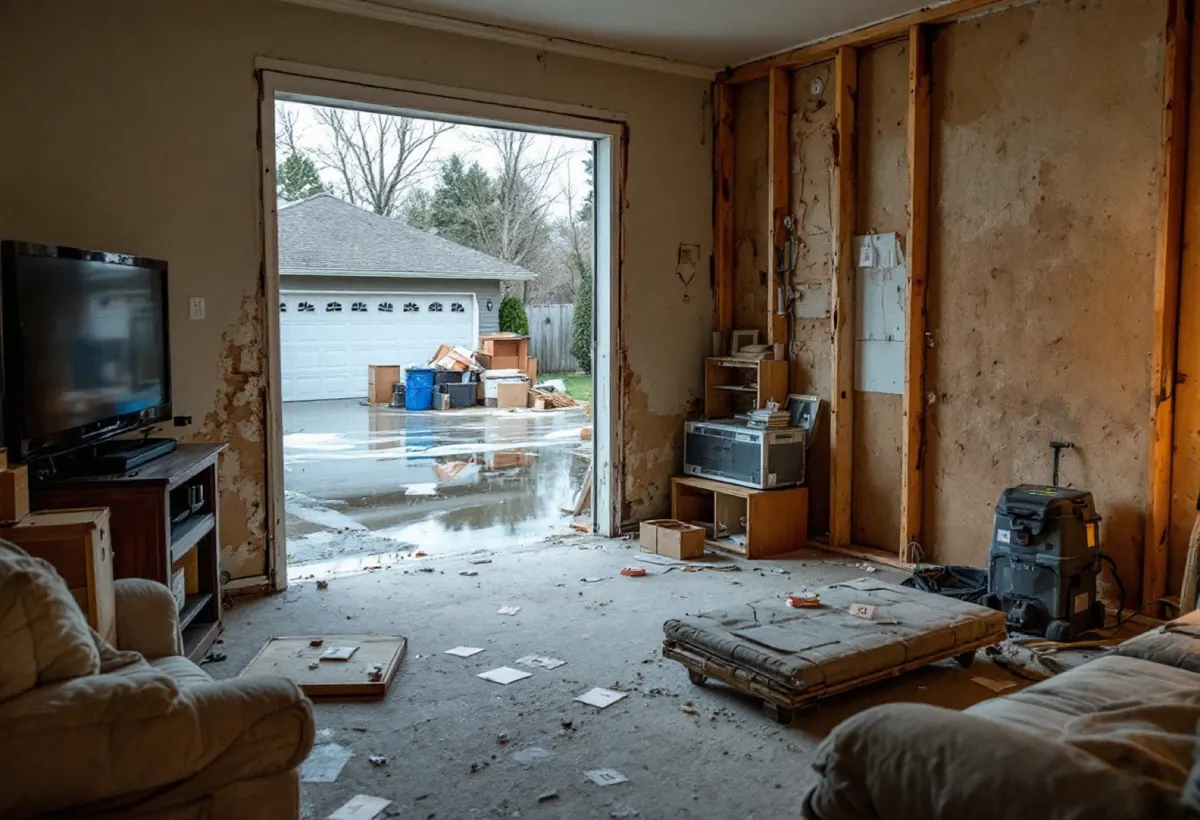
Everyone repeats sixty days. The trigger decides lateness. The ISO HO 00 03 05 11 says send us, within 60 days after our request, your signed, sworn proof of loss: no request, no clock. The SFIP Dwelling Form says within 60 days after the loss: nobody has to ask.
| Wording | Clock starts | Window | If missed |
|---|---|---|---|
| ISO HO-3 | Insurer’s request | 60 days | Prejudice test |
| NFIP SFIP | Date of loss | 60 days | Written FEMA waiver only |
| California 2071 | Date of loss | 60 days | Insurer may extend in writing |
| California emergency | Date of loss | At least 100 days | Three-month good-cause extensions |
| New York 3407 | Insurer’s written demand and form | 60 days | No demand, no forfeiture |
The HO-3 duties condition opens by saying the insurer has no duty to provide coverage if a failure to comply is prejudicial to it. The flood policy does the opposite: per the SFIP Dwelling Form Article VII.C, no provision can be waived without the express written consent of the Federal Insurance Administrator.
Per New York Insurance Law section 3407, a missing proof does not invalidate a claim unless the insurer, after the loss, demands proofs in writing on a blank form; filing within 60 days of that demand complies. Per the California Insurance Code section 2051.5 text updated 1 January 2026, after a loss tied to a declared state of emergency the floor is 100 days, 40 more than standard, with three-month extensions for listed good causes such as insurer delay in sending forms or unavailable contractors.
The NFIP proof of loss
The SFIP Dwelling Form Article VII.G says the insurer’s adjuster may furnish the form and help complete it as a matter of courtesy only; you must still send the proof within 60 days, and the adjuster is not authorized to approve or deny the claim. The insurer may instead accept the adjuster’s report, which you must sign. A rejected proof can be amended only within 60 days of the loss.
| Event or situation | Deadline | Source |
|---|---|---|
| Standard SFIP rule | 60 days after loss | SFIP Dwelling Form |
| Louisiana August floods (release of 5 May 2017) | Fourth extension, to 1 September 2017 | FEMA fourth extension, Louisiana August flood |
| Harvey, Texas losses 24 August to 13 September 2017 | 365 days after loss; not further extended | FEMA Harvey proof of loss decision |
| Helene, seven states, from 24 September 2024 | 120 calendar days after loss | FEMA Bulletin W-24010 (Hurricane Helene) |
| Damage found later during repairs | File a proof anyway | FEMA Harvey proof of loss decision |
| Increased Cost of Compliance | 60 days from the community letter | NFIP Claims Handbook (August 2024) |
FEMA Bulletin W-24010 (Hurricane Helene) also let insurers pay on an unsigned adjuster’s report; anyone who disagreed could still file a signed proof with a contractor’s estimate. Per the NFIP Claims Handbook (August 2024), a request for additional payment needs a new proof and estimate within the window, and one flood stays one claim however many proofs are filed. State volumes: flood claims by state.
State rules after the proof arrives
In several states the proof starts the insurer’s own clock. These rules govern handling, not what a claim is worth.
| State | First response | After the proof | Payment | Source |
|---|---|---|---|---|
| Florida | 7 days: acknowledge, send forms | Investigate within 7 days, inspect within 30 | Pay or deny in 60 days | Florida Statutes section 627.70131 |
| Texas | Day 15: acknowledge, request items | Decide in 15 business days | Pay in 5 business days | Texas Insurance Code 542.055, Texas Insurance Code 542.056, Texas Insurance Code 542.057 |
| California | 15 days: acknowledge, send forms | Accept or deny in 40 days | Pay 30 days after agreement | 10 CCR 2695.5, 10 CCR 2695.7, California Insurance Code section 2057 |
| New York | Written demand with form | Insured has 60 days | Payable 60 days after proof | New York Insurance Law section 3407, New York Insurance Law section 3404 |
Upstream, Florida Statutes section 627.70132 bars a claim unless notice is given within 1 year of the loss (18 months for a supplemental claim), and fixes a storm’s date of loss to landfall or NOAA verification. Texas Insurance Code 542.059 adds 15 days after a declared catastrophe. Suit limits run from the loss: 2 years in the ISO HO 00 03 05 11, 12 months (24 after a state of emergency) in the California Insurance Code section 2071, 24 months in the New York Insurance Law section 3404, and 1 year from written denial in the SFIP Dwelling Form.
Filling it in, line by line
A reading aid in clause order, not advice on what to claim.
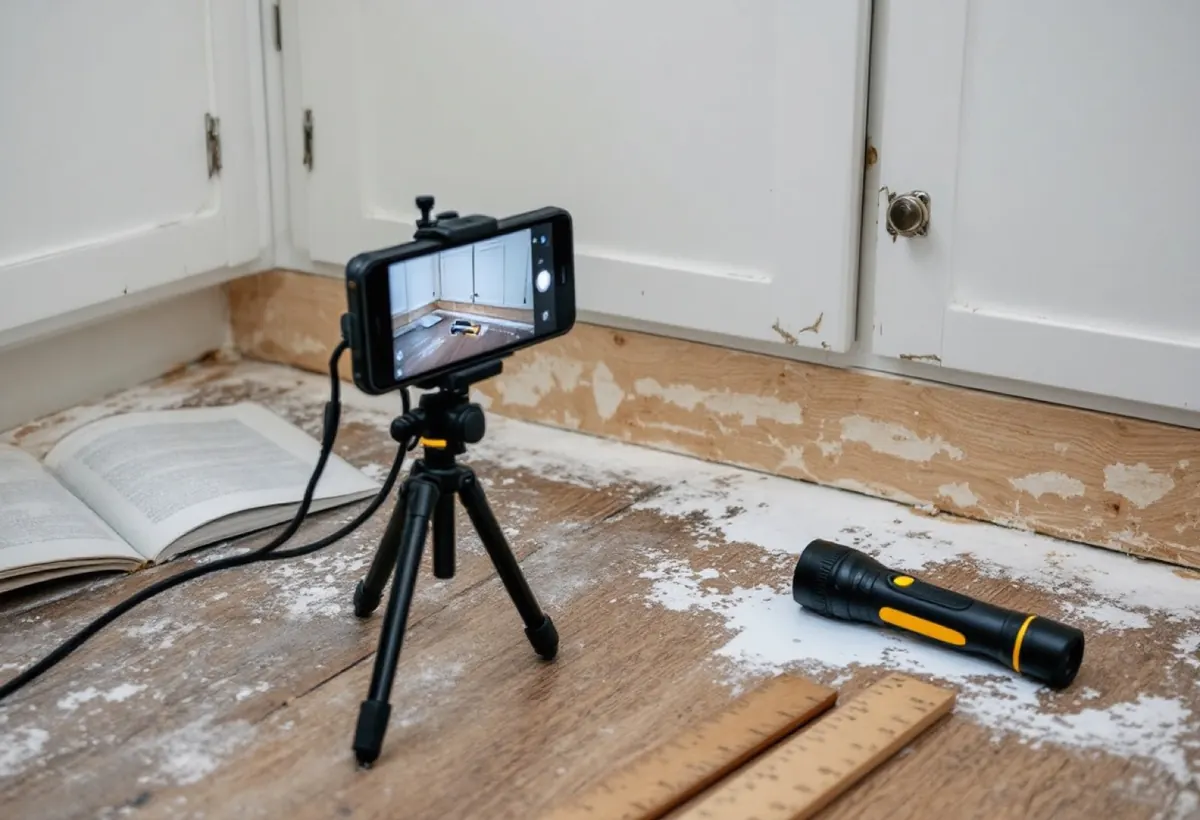
- Find your clock. Read the duties condition and the date on any request letter. Why this differs from generic advice: “60 days from the loss” is the flood rule; ISO wording counts from the request.
- State date and cause in the policy’s terms. Match the date the insurer recorded. Why this differs: Florida fixes storm dates by statute, so a guessed date can conflict.
- List every interest and lien exactly. Co-owners, servicer, other lienholders. Why this differs: the ISO and California mortgage clauses let the lender file its own sworn statement within 60 days if you fail to.
- Attach a line-item building estimate. Measurements and quantities; see how Xactimate pricing works. Why this differs: the SFIP says you must justify the amount, not only state it.
- Inventory contents item by item. Quantity, description, actual cash value, amount of loss. Why this differs: a lump sum does not meet ISO item f or SFIP item i.
- Split the claim by coverage. Building, contents and, on a homeowners claim, living expenses. Why this differs: only the HO-3 list asks for living expense receipts.
- Sign only what you can swear to; prove delivery. Why this differs: payment clocks in the forms and the Florida and Texas statutes run from receipt, and the fraud conditions attach to every line.
Disagree with the adjuster? File your own supported figure. Coverage itself is a separate question (does homeowners insurance cover water damage), as is the withheld part of a replacement cost payment (recoverable depreciation).
Which situation are you in
Find your row. The middle column is what the wording says; your policy, your state insurance department and a licensed professional decide how it applies to you.
| Your situation | What the wording says | Next step |
|---|---|---|
| Homeowners, no request yet | ISO clock not running | Keep records; watch for a request |
| Homeowners, request received | 60 days from request | Calendar it; ask for more time in writing |
| Flood, no form from adjuster | Duty is yours anyway | File Form 206-FY-21-108 yourself |
| Flood after a named disaster | Bulletin may extend | Confirm your event designation is listed |
| You dispute the adjuster’s number | Amended proof allowed | File within 60 days of loss with an estimate |
| More damage found in repairs | Additional payment route | Notify at once; new proof and estimate |
| California emergency loss | 100-day floor | Request a three-month extension if a cause applies |
| New York, no written demand | Section 3407 protects the claim | File within 60 days of any demand |
Signs it is bigger than a form
- An examination under oath request. Both forms allow one, taken apart from other insureds and signed.
- A written rejection. The SFIP suit year runs from it, and per the NFIP Claims Handbook (August 2024) a FEMA appeal is due within 60 days of the denial letter without pausing that year.
- Estimates that will not converge. Both forms have appraisal: each side names an appraiser within 20 days, and a judge may pick the umpire after 15.
- A contractor asking you to sign over the claim. See assignment of benefits.
Then a licensed public adjuster or attorney should read the policy; see public adjuster fees.
For contractors: what the proof needs from you
The owner signs the proof, but most attachments come from the job file. ISO condition C.4 asks for an accurate record of repair expenses, which is the mitigation invoice; drying records are covered on structural drying.
| Clause asks for | Contractor document | Clause |
|---|---|---|
| Repair estimates | Line-item estimate and sketch | SFIP f; ISO e |
| How the loss happened | Dated source photos | SFIP b; ISO a |
| Protect from further damage | Mitigation invoice, moisture logs | ISO C.4 |
| Damaged property inventory | Disposal list with photos | SFIP G.3; ISO C.6 |
| Prior flood damage repaired | Earlier completion records | SFIP H.2.e |
| Additional payment | Supplement tied to new findings | NFIP Claims Handbook |
What this page does not cover. Whether a particular loss is covered, what a claim is worth, and any legal advice on a specific policy. For those, read your policy, contact your state insurance department and speak to a licensed public adjuster or attorney.
Questions people actually ask
What is a proof of loss?
The policyholder’s signed, sworn statement of a claim. The ISO HO-3 asks it to set out the time and cause of loss, interests and liens, other insurance, title or occupancy changes, repair estimates, the contents inventory and living expense receipts. FEMA’s flood form is the same idea.
What happens if I don’t submit a proof of loss within 60 days?
It depends on the wording. The flood policy requires it within 60 days of the loss and allows waivers only in writing by the Federal Insurance Administrator. On the ISO HO-3 the 60 days runs from the insurer’s request, and a missed duty defeats coverage only if it prejudiced the insurer.
What is the NFIP proof of loss deadline?
Sixty days after the date of loss under the Standard Flood Insurance Policy. FEMA extends it by bulletin after some disasters: 120 calendar days for Hurricane Helene in 2024 and 365 days for Hurricane Harvey in 2017. An amended proof after a rejection must also fall within the window that applies.
Does a proof of loss need to be notarized?
The ISO HO-3, the flood policy and the California and New York standard fire policies say signed and sworn and do not mention a notary. Whether one is needed is set by the form your insurer sends. Either way the statement is sworn, and the fraud conditions in both forms attach to every figure.
Who fills out the proof of loss, me or the adjuster?
You do. The flood policy says the adjuster may furnish the form and help as a courtesy only, that you must still file within 60 days, and that the adjuster cannot approve or deny the claim. The insurer may accept the adjuster’s report instead, which you must sign.
Can I revise a proof of loss after I send it?
On a flood claim, the SFIP allows an amended proof filed within 60 days of the loss, and the NFIP Claims Handbook describes a request for additional payment with a new proof and a contractor’s estimate. Homeowners supplements follow the policy and state law, such as Florida’s 18-month notice window.
Sources
- SFIP Dwelling Form, 44 CFR Part 61, Appendix A(1), FEMA, eCFR current text. Retrieved 31 October 2026.
- ISO HO 00 03 05 11 homeowners 3 special form, Insurance Services Office, 2010, copy hosted by the Maine Bureau of Insurance. Retrieved 31 October 2026.
- California Insurance Code section 2071, California Insurance Code section 2051.5 (updated 1 January 2026) and California Insurance Code section 2057, via California.Public.Law mirror of leginfo. Retrieved 31 October 2026.
- 10 CCR 2695.5 and 10 CCR 2695.7, via Cornell LII. Retrieved 31 October 2026.
- Florida Statutes section 627.70131 and Florida Statutes section 627.70132, 2025 Florida Statutes. Retrieved 31 October 2026.
- Texas Insurance Code 542.055, Texas Insurance Code 542.056, Texas Insurance Code 542.057 and Texas Insurance Code 542.059, via Texas.Public.Law. Retrieved 31 October 2026.
- New York Insurance Law section 3407 and New York Insurance Law section 3404, via NewYork.Public.Law. Retrieved 31 October 2026.
- FEMA Bulletin W-24010 (Hurricane Helene), 4 October 2024. Retrieved 31 October 2026.
- FEMA Harvey proof of loss decision, HQ-18-107, 24 August 2018. Retrieved 31 October 2026.
- FEMA fourth extension, Louisiana August flood, NR-154, 5 May 2017. Retrieved 31 October 2026.
- FEMA NFIP claim forms page, updated 14 December 2023. Retrieved 31 October 2026.
- NFIP Claims Handbook (August 2024), August 2024 edition. Retrieved 31 October 2026.
- Multiples of the 60-day window are arithmetic on published figures; see our methodology and the insurance hub.
Policy forms vary by insurer, state and edition. This page describes published policy language and regulator rules; it is not advice on any policy and does not say what any claim pays. Your policy, your insurer, your state insurance department and a licensed professional are the authorities on your claim.