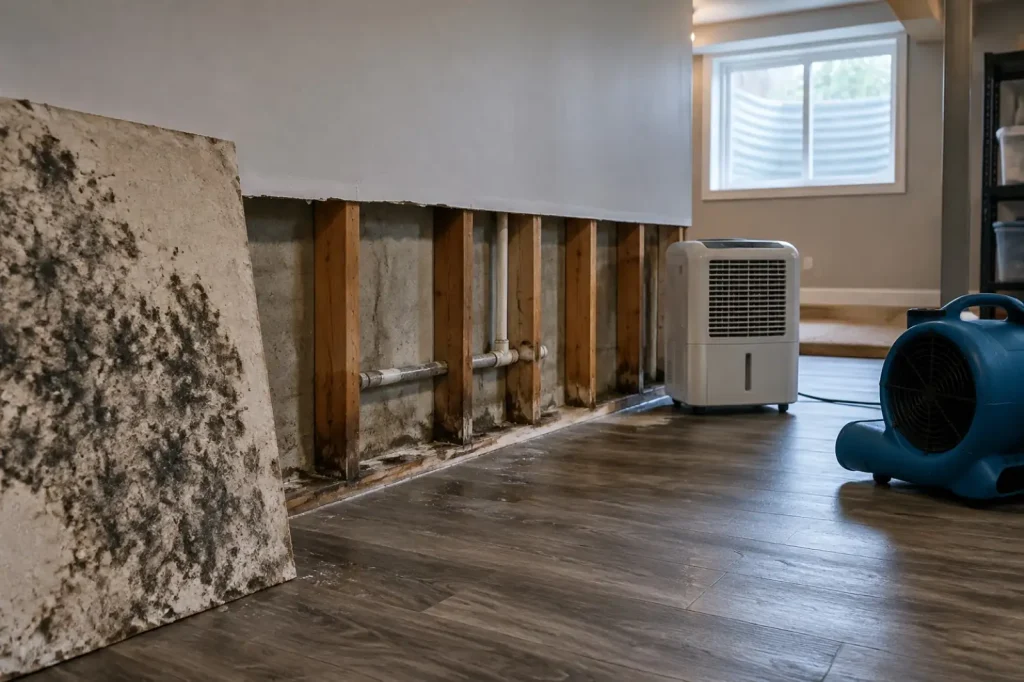
The short answer
Does homeowners insurance cover mold remediation? Only when the mold results from a covered peril such as a burst pipe or a fire, and even then many policies cap it: per the published forms compared below, fungi limits run from $2,500 to $50,000 including options. Mold from slow leaks, humidity, flood or neglect is excluded under standard wording. Your own policy and endorsements decide it.
Key takeaways
- Cause decides coverage; the sublimit decides the cheque. A covered burst pipe can still leave remediation capped.
- The ISO base form excludes mold but gives back hidden mold caused by an accidental discharge from plumbing, heating, cooling, sprinklers or appliances.
- The ISO limited fungi endorsement for the HO 3, HO 04 27, swaps that for a broad exclusion plus a capped coverage that includes testing.
- Slow leaks fail on the constant or repeated seepage clause, which one filed USAA form defines as 14 days or more.
- Per the Texas commissioner’s 2001 order, mold claim frequency rose 6.8 times in 18 months.
- Water damage repair outside the mold itself is not automatically squeezed into the mold cap, so contractors should estimate it separately.
On this page
Most mold claims are decided before anyone looks at the mold. The adjuster’s first question is where the water came from and for how long; the second is which mold wording the policy carries, because that sets the ceiling. This page reads both in the published forms.
This page describes standard policy language and published regulator guidance. It does not tell you what your policy pays; your declarations, form and endorsements govern. For a dispute, contact your state insurance department and a licensed professional. Health effects of mold are out of scope here; see EPA and CDC guidance.
Cause first, then the cap
A mold claim is a water claim with a second question attached. Whether the water is covered is the subject of our water damage coverage guide; this page starts where it stops.
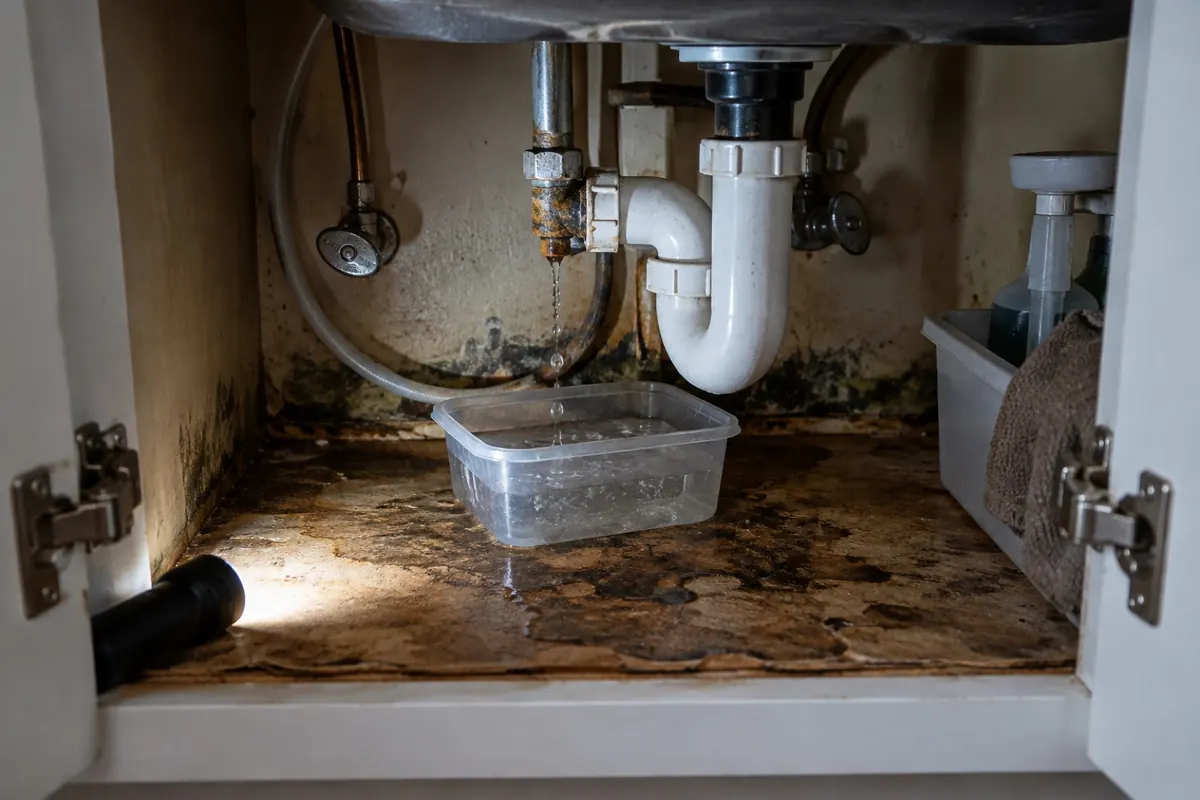
Insurers frame it the same way. Progressive, updated 25 September 2025, says remediation won’t be covered unless the mold resulted from a covered peril, and cites a pipe leaking under a sink for months as an example that is not. Liberty Mutual, updated 14 September 2026, lists burst pipes, weight of snow and ice, appliance malfunctions and mold after a fire as examples that can be covered, and worn window seals and poor bathroom ventilation as examples that likely are not.
The clauses, read in the forms
Two layers of wording matter. The ISO base form has its own mold clause, and many insurers attach a fungi endorsement that replaces it. The FC&S form listing for HO 04 27 identifies HO 04 27 as the Limited Fungi, Wet or Dry Rot, or Bacteria Coverage endorsement for forms HO 00 03 and HO 00 05, first issued in April 2002, and the NJM New Jersey HO-3 (03/18) lists HO 04 27 05 11 among the ISO forms it attaches, as modified for New Jersey.
| Clause | Where | What it says |
|---|---|---|
| Mold exclusion with hidden-mold give-back | ISO HO 00 03 05 11, perils c.(5) | Excludes "mold, fungus or wet rot" but insures mold "hidden within the walls or ceilings or beneath the floors or above the ceilings" from accidental discharge of a plumbing, heating, cooling or sprinkler system or appliance |
| Fungi, wet or dry rot, or bacteria exclusion | NJM HO-3 with ISO HO 04 27 05 11 | Excludes the "presence, growth, proliferation, spread or any activity" of fungi, except when they result from fire or lightning or within the additional coverage |
| Limited fungi additional coverage | NJM HO-3, Additional Coverage 13 | Pays removal, tear-out for access, and testing only where there is "a reason to believe" fungi are present, up to the limit |
| Constant or repeated seepage | NJM HO-3; USAA HO-3R(02) | NJM: over "weeks, months or years" unless unknown to all insureds and hidden. USAA: "over a period of 14 days or more" |
| Neglect | ISO HO 00 03 05 11, Exclusion A.5 | Failing to use "all reasonable means to save and preserve property at and after the time of a loss" |
| Water exclusion | ISO HO 00 03 05 11, Exclusion A.3 | Flood, surface water, and backup through sewers or drains |
Note the fire carve-out on the NJM form: fungi that result from fire or lightning sit outside the fungi exclusion, so the cap does not bind them. Whether mold from firefighting water counts is for the adjuster; Progressive lists that case as one that may be covered.
What the sublimits actually are
ISO does not publish its default endorsement limits openly. The table lists only limits printed in a published form, notice or official report.
| Source | Section I fungi limit | Options and conditions |
|---|---|---|
| USAA HO-3R(02) (07-08), Oklahoma filing | $2,500 | Plus $2,000 living expense |
| MPIUA (Massachusetts FAIR Plan) notice | $10,000 | $25,000 or $50,000 optional; liability $50,000 aggregate |
| Auto Club Indiana fungi endorsement | $10,000 | Deductible applies; prompt notice required |
| Florida Farm Bureau, 2002 settlement | $10,000 per occurrence | $20,000 annual aggregate; became Florida’s standard |
| State Farm Florida, 2003 final order | Exclusion with buybacks | $15,000 / $25,000 / $50,000 or policy limits |
| NJM New Jersey HO-3 (03/18) | $25,000 | Regardless of the number of claims |
Two details change what the number means. The cap usually includes testing: the Massachusetts FAIR Plan (MPIUA) mold notice pays for it only where there is reason to believe fungi are present. And it is a total: the NJM New Jersey HO-3 (03/18) limit is the most paid regardless of the number of claims. Prices to compare it against are in our mold remediation cost guide.
Which situation are you in?
Find your row. The columns read the event against standard wording, not your claim.
| Situation | How the event is classified | Likely treatment, standard wording | Watch for |
|---|---|---|---|
| Pipe bursts; dried fast, no mold | Covered water loss | Water claim only | No mold line needed |
| Pipe bursts; mold found during mitigation | Covered peril | Mold paid, often under a fungi cap | Most common covered case |
| Leak hidden inside a wall, unknown to you | Accidental discharge, hidden | Given back on ISO base and NJM wording | Report once found |
| Sink fitting dripping for months, visible | Repeated seepage | Generally excluded | Visible and accessible |
| Bathroom mold from poor ventilation | Humidity, condensation | Generally excluded | Liberty Mutual’s example |
| Kitchen fire; mold from firefighting water | Fire | May be covered; NJM fire carve-out | Cap may not apply |
| Storm tears roof open; rain soaks the attic | Windstorm | Mold may be covered, often capped | Date the storm |
| Roof leaking slowly for a season | Wear or repeated seepage | Generally excluded | Maintenance issue |
| Flooded basement from rising water | Flood | Excluded | Separate flood policy |
| Sewer backup | Water backup | Excluded unless endorsed | Backup endorsement |
| You waited weeks to dry a covered leak | Neglect, duty to mitigate | Growth after the delay at risk | Document every step |
Gradual leaks, neglect and the duty to mitigate
The seepage clause sinks most mold claims, and its length varies by form. The NJM wording excludes constant or repeated seepage over weeks, months or years, then gives it back when the seepage is unknown to all insureds and hidden in walls, floors or ceilings, but not in any part the insured can access. The USAA filing draws a hard line at 14 days or more.
Neglect and mitigation do the rest. The ISO form excludes neglect to save property at and after a loss and requires the insured to protect it from further damage, and the California Department of Insurance claims guide warns that ensuing damage may not be covered without reasonable steps. The EPA mold guide gives the clock: dry wet materials within 24 to 48 hours and in most cases mold will not grow. Growth timing is on our page on how long mold takes to grow after water damage. Our guide to mold mitigation covers how policy language and state statutes use the word mitigation.
Hidden mold found later
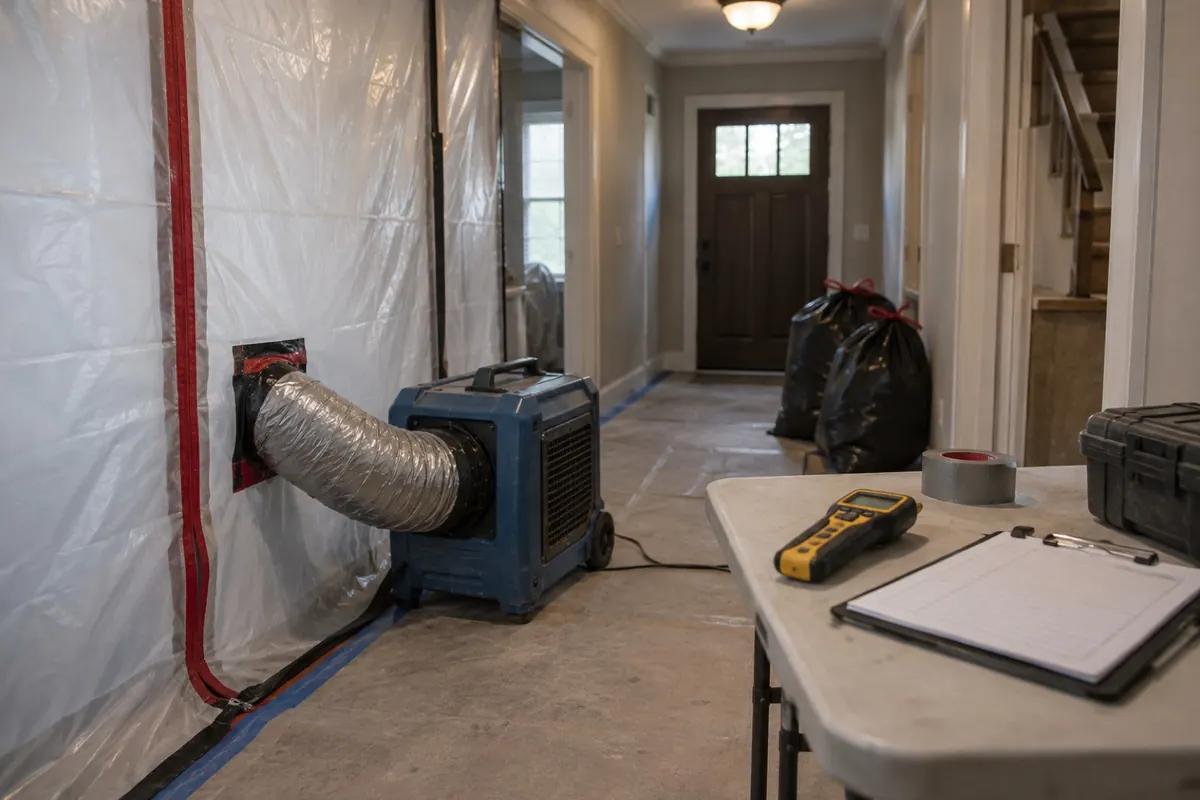
Mold found months after the water is the hardest timing case. Two questions decide it: was the water hidden and unknown, and was the policy in force when the peril happened? The Massachusetts FAIR Plan (MPIUA) mold notice says coverage applies only if the peril occurs during the policy period, so the date of the leak matters, not the date of discovery.
| Moment | Source | What the source says |
|---|---|---|
| First 24 to 48 hours after water | EPA mold guide | Dry wet materials; in most cases mold will not grow |
| Hidden loss found (Texas) | Texas Order 01-1105 | Report within 30 days of when it was or should have been detected |
| Insurer response (Texas) | Texas Attorney General | Investigate within 15 days; decide within 15 days of receiving information; pay within 5 days |
| Notice of claim (Florida) | Fla. Stat. 627.70132 | Within 1 year of the date of loss; 18 months for a supplemental claim |
| Payment and suit (ISO form) | ISO HO 00 03 05 11 | Payable 60 days after proof of loss and agreement; suit within 2 years of the loss |
The five steps when mold turns up
- Photograph the mold and the water source before anything is moved.
- Stop the water and start drying; record what you did and when.
- Report the water loss and the mold to the insurer in writing.
- Get the cause of the water stated in writing by a plumber, roofer or assessor; it decides which clause applies.
- Ask the adjuster which limit applies before remediation starts.
Texas, California and Florida
States regulate policy forms, and three large markets publish very different things.
| State | Publication | What it says |
|---|---|---|
| Texas | Commissioner’s Order 01-1105 (2001) | Basic coverage pays repair of water-damaged property after a sudden and accidental covered discharge, not remediation or testing; buybacks at 25%, 50% or 100% of limits |
| Texas | Attorney General page (undated) | Most Texas policies are HO-A, generally covering only sudden and accidental leaks; remediation cover, where offered, is generally capped |
| California | Department of Insurance claims guide (2025) | Mold caused by a covered peril may be covered; report water damage immediately |
| Florida | Senate Interim Report 2004-158 (2003) | 400 to 450 mold filings from 200 to 250 insurers, October 2001 to the end of 2002 |
Texas is the clearest case of a regulator stepping in. Per the Texas Commissioner's Order 01-1105, mold claim frequency rose from 1.6 to 10.8 per 1,000 policies over the 18 months ending 30 June 2001, in data covering about 65% of the market. Per the same order, the commissioner rejected a proposed flat $5,000 cap and instead limited basic coverage to repair, excluding remediation and testing. The order took effect on and after 1 January 2002 and left insurers free to file their own forms, so a current Texas policy may differ.
The California Department of Insurance claims guide sets no figure, and warns that delay in cleanup can result in mold. The Florida Senate Interim Project Report 2004-158 records that Florida policies historically covered mold from a covered peril, such as hurricane-blown rain, until the filing wave produced the capped endorsement in the sublimit table.
For contractors: scope, records, line items
The most useful sentence in the NJM wording for a contractor says covered loss not caused by fungi is not limited by the fungi coverage, except to the extent fungi increase the loss. Read literally, drying, tear-out and rebuild caused by the water belong to the water claim, and only the mold-driven increase sits under the cap. Estimate and label the two separately.
| Document | Why the adjuster wants it |
|---|---|
| Cause-of-loss statement with the date of the event | Decides which clause applies |
| Dated moisture readings and map | Separates a sudden discharge from long-term seepage |
| Photos before demolition, including the source | Shows what was hidden and what was accessible |
| Independent assessment or protocol | Supplies the reason to believe that testing clauses require |
| Estimate split: water repair, mold remediation, testing | Water repair outside the mold may sit outside the cap |
| Clearance results and, in Texas, the certificate | Closes the job; supports future insurability |
Texas adds statutory paperwork. Per the Texas Attorney General mold remediation page, an assessment must precede remediation, the remediator notifies the licensing agency at least five days before work except in emergencies, and a certificate of mold remediation goes to the owner within ten days of completion. One person may not both assess and remediate the same project. The Texas H.B. 329 bill analysis describes a bar on insurers basing underwriting decisions on previous mold damage when that certificate shows it was remediated. Other states are on our state mold licensing page, and the work itself on our mold remediation process guide.
Questions people actually ask
How do I get mold removal covered by insurance?
Show that the mold came from a covered peril. Document the water source and its date, report promptly, start drying and get the cause stated in writing, then ask which limit applies. Per the forms compared on this page, fungi limits run from $2,500 to $50,000, and slow leaks, humidity and flood are excluded under standard wording.
Should I tell my insurance company about mold?
If it follows a water loss you may claim, yes, promptly: standard forms require prompt notice, and the Texas order sets 30 days for hidden losses after discovery. The Texas Attorney General notes you need not report mold you pay to remediate yourself, and that claims are recorded in the CLUE database.
Does homeowners insurance cover mold testing?
Often, but inside the fungi limit and only with cause. The MPIUA notice and the NJM form both pay for testing only where there is reason to believe fungi are present. Under the Texas order, basic coverage excludes testing unless a buyback endorsement was bought.
Does homeowners insurance cover mold from a roof leak?
It depends on why the roof leaked. Rain entering through an opening that wind or hail created is a covered peril on standard forms, so resulting mold may be covered within any cap. A roof that leaked slowly through worn materials meets the wear and tear and repeated seepage exclusions instead.
Does homeowners insurance cover mold in ductwork?
The same cause test applies. Mold after a covered discharge from the air conditioning system can fall within the ISO hidden-mold give-back or a fungi coverage. Mold from routine condensation is excluded on wording such as NJM’s, which excludes repeated condensation of humidity over weeks, months or years.
What to do if you can’t afford mold removal?
Stop the moisture first: per the EPA mold guide, materials dried within 24 to 48 hours in most cases will not grow mold, and areas under about 10 square feet can usually be handled by the occupant. For larger areas, an independent assessment limits the work to what is affected, and any part that follows a covered water loss is worth claiming.
Is mold remediation worth it?
On property grounds, usually: the California Department of Insurance notes mold can cause further damage to property. In Texas, per the H.B. 329 bill analysis, a certificate of mold remediation protects the owner from underwriting decisions based on the old damage, and the Texas Attorney General notes claims on the CLUE record can affect a sale.
Sources
- ISO HO 00 03 05 11 (Maine Bureau of Insurance copy), Insurance Services Office, Inc., copyright 2010. Retrieved 11 October 2026.
- NJM New Jersey HO-3 (03/18), with ISO HO 04 27 05 11 as modified. Retrieved 11 October 2026.
- USAA HO-3R(02) on file with the Oklahoma Insurance Department, form HO-3R(02) (07-08). Retrieved 11 October 2026.
- Auto Club Indiana fungi endorsement, undated. Retrieved 11 October 2026.
- Massachusetts FAIR Plan (MPIUA) mold notice, undated. Retrieved 11 October 2026.
- FC&S form listing for HO 04 27, April 2002 edition. Retrieved 11 October 2026.
- Texas Commissioner's Order 01-1105, page updated 2 January 2019, read via Internet Archive snapshot of 7 February 2026. Retrieved 11 October 2026.
- Texas Attorney General mold remediation page, undated. Retrieved 11 October 2026.
- Texas H.B. 329 bill analysis, 78th Legislature. Retrieved 11 October 2026.
- California Department of Insurance claims guide, updated February 2025. Retrieved 11 October 2026.
- Florida Senate Interim Project Report 2004-158, December 2003. Retrieved 11 October 2026.
- Florida Statutes section 627.70132. Retrieved 11 October 2026.
- Progressive, updated 25 September 2025; Liberty Mutual, updated 14 September 2026. Retrieved 11 October 2026.
- EPA mold guide, updated 18 February 2026. Retrieved 11 October 2026.
- The implied averages and the rescaled frequency chart are arithmetic on published figures; see our methodology and the insurance hub.
Policy forms vary by insurer, state and edition. This is general information about standard wording, not advice on any policy. Your policy, your insurer, your state insurance department and a licensed professional are the authorities on your claim.