The short answer
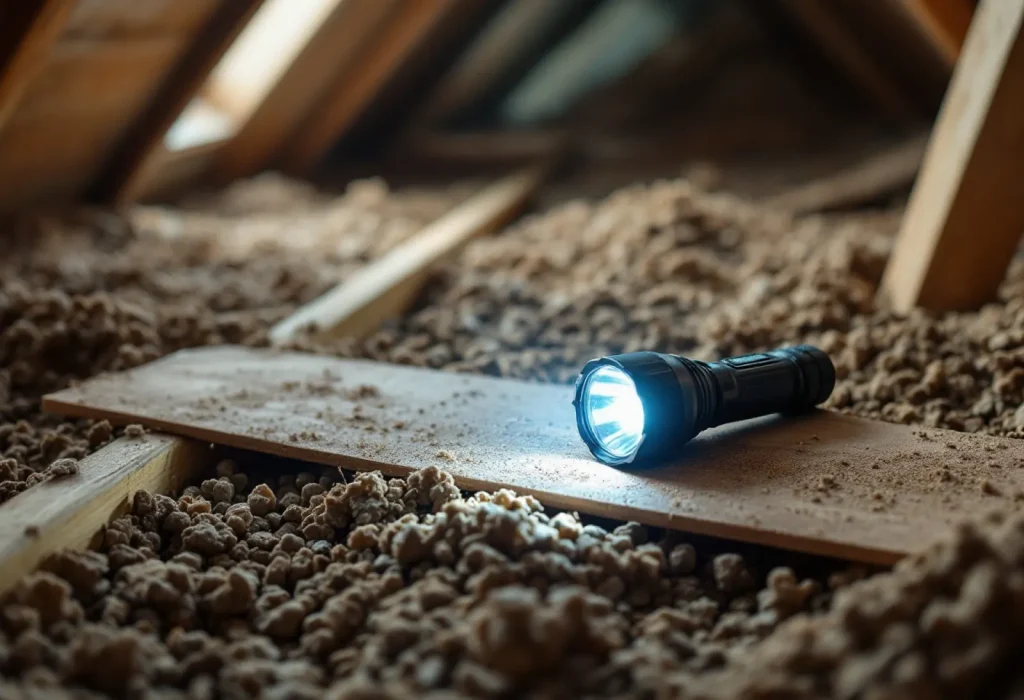
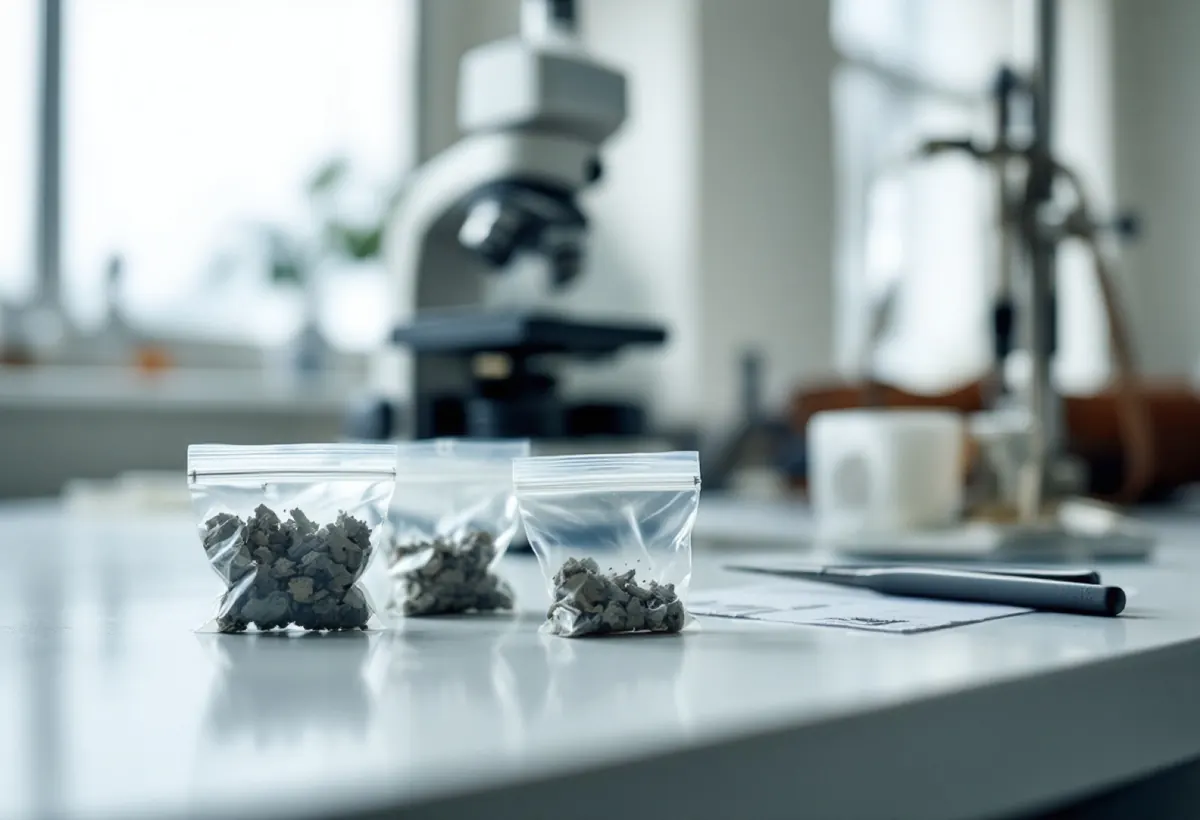
Does a home inspector check for asbestos? No. A standard home inspection excludes it: ASHI, InterNACHI and the state rules in Texas, New York and New Jersey each say the inspector is not required to determine hazardous substances, and four of those texts name asbestos outright. Confirming asbestos takes bulk samples, collected by an accredited asbestos inspector and analyzed by a lab.
Which clause in each home inspection standard leaves asbestos out?
Nine texts, quoted from the source with section numbers and retrieved 12 November 2026. Ellipses mark words dropped from long lists; nothing inside quote marks was reworded. A state rule binds every licensed inspector in that state, while ASHI and InterNACHI bind members, so the inspection agreement should name the document that applies.
| Standard | Clause | Exact wording | Reads as |
|---|---|---|---|
| ASHI, effective 1 March 2014 | 13.2.A.12 | “The inspector is NOT required to determine: … the presence of environmental hazards including, but not limited to, allergens, toxins, carcinogens, … and contaminants in building materials, soil, water, and air.” | Catch all, word absent |
| ASHI, approved 8 January 2026 | 15.2.A.11 | “The Inspector is NOT required to determine: … the presence of any suspected hazardous substances or adverse conditions such as environmental hazards, … mold, fungus, allergens, toxins, carcinogens, asbestos, …” | Names asbestos |
| InterNACHI (revised October 2022) | 2.2.I.M | “The inspector is not required to determine: … the existence of environmental hazards, including lead paint, asbestos or toxic drywall.” | Names asbestos |
| Texas, 22 TAC 535.227 | (d)(3)(B)(i) | “The inspector is not required to: … determine: … the presence, absence, or risk of: (i) asbestos” | Names asbestos, and risk |
| New York, 19 NYCRR 197-5.16 | (c) | “Home inspectors shall not be required to determine the presence or absence of any suspected hazardous substance including but not limited to, … PCB’s, asbestos, urea formaldehyde insulation, toxins …” | Names asbestos |
| New Jersey, N.J.A.C. 13:40-15.16 | (b)13 | “Nothing in this section shall be construed to require a licensee to: … Determine … the presence of any suspected hazardous substances or adverse conditions such as mold, fungus, toxins, carcinogens, …” | Catch all, word absent |
| Washington, WAC 308-408C-030 | (3) | “Inspectors are not required to: … Report … the presence of any environmental hazards including, but not limited to mold, toxins, carcinogens, noise, and contaminants in soil, water or air” | Excused from reporting |
| Illinois, 68 Ill. Adm. Code 1410.200 | (d)(8)(C) | Pre-inspection contract exclusions “may include” that the inspector is not required to “perform any engineering or environmental services” | Contract exclusion |
| Florida, R. 61-30.801 | (2), (7)(a) | No use of the word asbestos. (2) says the standards “shall not be construed as limiting the scope of the inspection process in those areas where the inspector is qualified”. | Silent |
Only the posted ASHI 2026 file carries a blank date: its footer reads “Effective tbd, 2026”, so the 2014 text at 13.2.A.12 is the one in force until ASHI publishes the switch.
Does it matter that only 4 of the 9 texts use the word asbestos?
Very little in practice. ASHI 2014 reaches asbestos through “contaminants in building materials”, and New Jersey and Washington reach it through “suspected hazardous substances” and “environmental hazards”. The verb is what separates them: 22 TAC 535.227, 19 NYCRR 197-5.16, N.J.A.C. 13:40-15.16 and both ASHI versions excuse the inspector from determining, while WAC 308-408C-030(3) goes further and excuses reporting.
Texas is the most explicit text read here. Rule 535.227(d)(3)(B) excuses the presence, absence or risk of asbestos, lead based paint and mold in one list, and 535.227(a)(3)(C)(ii) says an inspection does not require environmental testing or any method employing destructive testing that damages sound materials. Cutting a bulk sample out of a ceiling is that kind of method.
Florida is the one to read closely. Fla. Admin. Code R. 61-30.801(7)(a) says the standards do not limit an inspector from including other inspection services, and (2) ties extra scope to areas where the inspector is qualified. Nothing in that section makes asbestos a duty, and nothing bars an add-on sold under a separate credential. The same documents split differently on mold, set out in do home inspectors check for mold.
What will a home inspector still write down that points to asbestos?
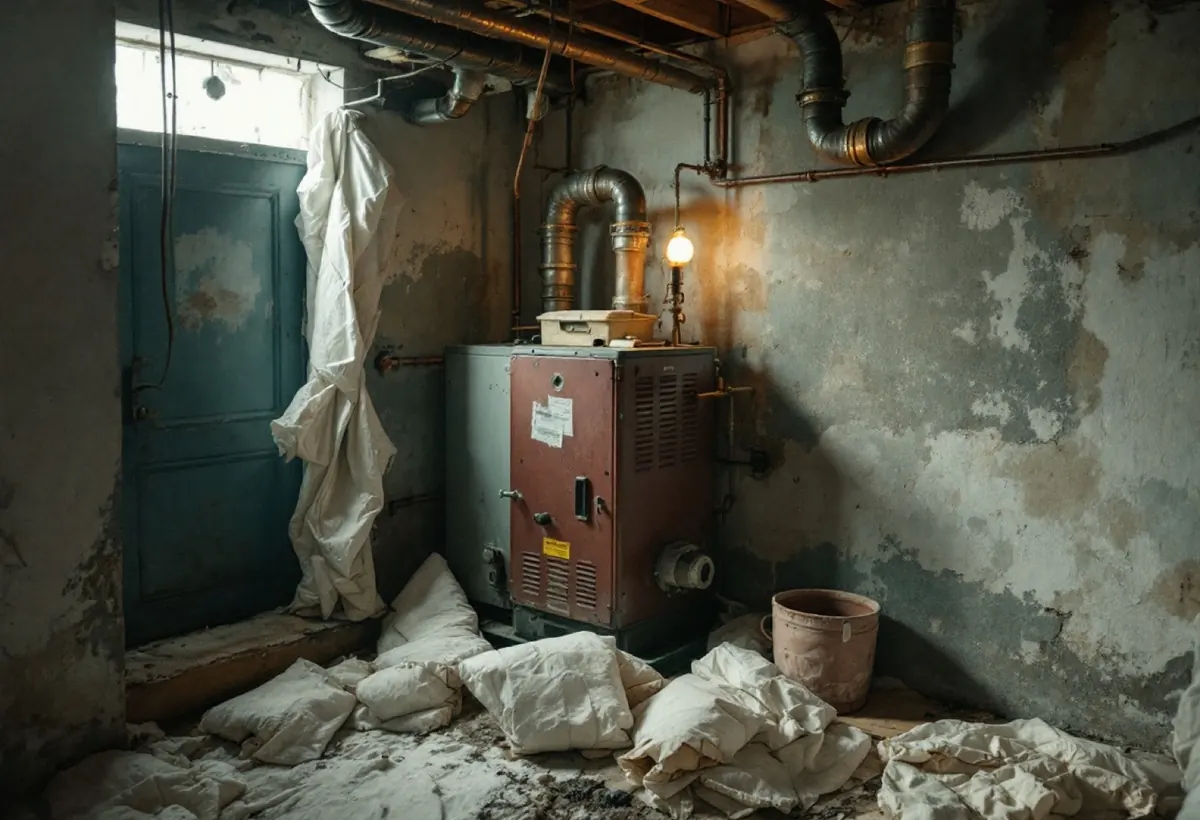
Insulation type and condition, because several standards require a description of insulation even though none requires a determination of what it is made of. The EPA homeowner asbestos page sets the limit on what that description can prove: “you can’t tell whether a material contains asbestos simply by looking at it, unless it is labeled.”
| Clause | Exact wording | What it produces in a report |
|---|---|---|
| InterNACHI 3.9.II.A | “the type of insulation observed” | Must describe. Loose granular fill gets named as a type |
| InterNACHI 3.9.IV.B and .G | “move, touch or disturb insulation” and “determine the types of materials used in insulation or wrapping of pipes, ducts, jackets, boilers or wiring” | Not required. Pipe and boiler wrap is excused |
| ASHI 2014 11.1.B.1 and 11.2 | “describe: insulation and vapor retarders in unfinished spaces” and “NOT required to disturb insulation” | Must describe, need not touch |
| Florida R. 61-30.801(6) | “recommendations for correction and/or monitoring, or further evaluation of the deficiencies that the inspector observed” | Gives a buyer a written further evaluation line |
| Texas 535.227(a)(4) | “must possess the competency required” | Any extra service must be within the inspector’s competency |
Attic loose fill is the clearest case. The EPA vermiculite insulation page says a mine near Libby, Montana supplied over 70 percent of all vermiculite sold in the United States from 1919 to 1990, describes vermiculite insulation as pebble-like and usually gray-brown or silver-gold, and tells owners to assume it may contain asbestos and leave it undisturbed. EPA adds that testing attic vermiculite “may be expensive and, depending on the methods used, might give you erroneous results.” A report line naming vermiculite is therefore worth acting on even without a lab result. Our asbestos insulation guide covers the other insulation types.
Health effects of asbestos exposure, including cancer and lung disease, are outside this page; the EPA asbestos pages linked in the sources carry that guidance.
Who is allowed to take an asbestos sample from a house?
Federal law sets no credential for a house. The EPA homeowner asbestos page says federal law does not require people who inspect, repair or remove asbestos material in detached single family homes to be trained and accredited, while some states and localities do, and EPA still says a trained and accredited professional should take samples because “taking samples yourself is not recommended.”
| Setting | Rule | Who may inspect or sample |
|---|---|---|
| Federal, detached single family home | EPA homeowner asbestos page | No federal training or accreditation rule for inspecting a detached single family home; “some states and localities do require this”. |
| Federal, schools and public and commercial buildings | EPA Model Accreditation Plan, 40 CFR Part 763, Appendix C to Subpart E | Accredited inspector required. Apartment buildings under 10 units and detached single family homes fall outside the public and commercial building definition. |
| Federal, demolition and renovation | 40 CFR 61.145(a) | Owner or operator must thoroughly inspect for asbestos first, but 40 CFR 61.141 excludes residential buildings with 4 or fewer dwelling units. |
| Texas | Tex. Occ. Code 1954.101(a)(3) and (6) | Licence needed to inspect a public building, which Tex. Occ. Code 1954.002(11) says excludes a private residence. Bulk sample analysis needs a license with no building limit. |
| New York | 12 NYCRR 56-5.1(a), (b)(2) | Before demolition, renovation, remodeling or repair, an asbestos survey by a licensed asbestos contractor using certified inspectors. Exempt if construction started on or after 1 January 1974. |
The accreditation the EPA plan describes is a separate course from home inspection: at least 3 days with 4 hours of hands on training, respirator fit testing and a written exam, and the certificate expires 1 year after the exam unless the holder completes refresher training. A home inspector who holds both can sample; ask for the accreditation certificate and its expiry date. What that credential looks like is on our certified asbestos inspector page.
How does an asbestos inspection differ from the home inspector’s walk through?
It adds sampling and a lab. The EPA homeowner asbestos page says a hired asbestos inspection should “include a complete visual examination and the careful collection and laboratory analysis of samples,” and that a positive result should come with a written evaluation of the location and extent of damage. Our asbestos inspection guide covers the visit itself.
The sampling count has a federal model, written for schools. Per the EPA school rule at 40 CFR 763.86(a), an inspector takes at least 3 bulk samples from each homogeneous area of friable surfacing material of 1,000 sq ft or less, 5 for over 1,000 to 5,000 sq ft, and 7 above that. A house is not bound by it, but it is a fair yardstick for asking how many samples a quote includes. Texas counts a material as asbestos at 1 percent or more under Tex. Occ. Code 1954.002(2)(B).
Can a Texas buyer fit an asbestos result inside the option period?
Only if the blank is long enough or the lab is paid to rush. Paragraph 5B of the TREC contract form 20-19, version dated 05-04-2026, leaves the Option Period as a blank number of days after the Effective Date, with notice due by 5:00 p.m. local time. Paragraph 7A lets the buyer use inspectors “licensed by TREC or otherwise permitted by law to make inspections”, which covers an accredited asbestos inspector. Other states use other forms, so find the matching contingency and its date in yours.
Now the labelled calculation. According to the Wisconsin State Laboratory of Hygiene, normal turnaround is 12 to 14 working days at $48 per sample. On our arithmetic, 12 working days is at least 16 calendar days, so a buyer who writes 10 in the blank cannot get a normal turnaround result in time, and the rush rate is 2 times the normal fee. Three samples at rush cost $288 against $144 at normal, per the WSLH fee list.
Disclosure runs on a different track. Paragraph 7C of the same form says seller disclosure of lead based paint “is required by Federal law for a residential dwelling constructed prior to 1978”; the form prints no matching federal line for asbestos, so the seller disclosure form in each state is where to look. Ask the listing agent in writing for any prior asbestos survey or abatement paperwork before the deadline.
When is a separate asbestos inspection worth paying for on a purchase?
When something will be disturbed or is already damaged. The EPA homeowner asbestos page names two triggers for having a home inspected: planning to remodel, and damaged materials “like crumbling drywall and insulation that is falling apart”. It also says that if materials are not damaged and won’t be disturbed, “you do not need to have your home tested for asbestos.”
- Report names vermiculite or loose granular attic fill. EPA says to assume asbestos and not disturb it; price the cost of removal before any attic work instead of testing first.
- Report flags torn pipe or boiler wrap. InterNACHI 3.9.IV.G excuses identifying it, so the line is a prompt for an accredited inspector, not a finding.
- Buyer plans a kitchen, floor or ceiling remodel. In New York, 12 NYCRR 56-5.1 requires a survey before the work for buildings started before 1974; elsewhere EPA’s remodel trigger applies.
- Nothing damaged, no remodel planned. EPA’s own position is that no test is needed.
Before booking, ask four questions: is the inspector accredited and when does the certificate expire, how many samples per material does the quote include, which lab and turnaround, and is the firm independent of any removal contractor, which EPA recommends to avoid a conflict of interest. Prices are compared on our asbestos testing cost page, and the full building version is the asbestos survey. More rules sit in our standards hub.
Questions people actually ask
Do you have to disclose asbestos when selling a house?
The Texas TREC 20-19 contract prints a federal disclosure line for lead based paint in homes built before 1978, at paragraph 7C, and none for asbestos. Asbestos disclosure comes from each state’s seller disclosure law and form, so read your state’s form and answer from what you know, including any past survey or abatement. A real estate attorney in your state can say what known asbestos must be listed.
Can a home inspector test for asbestos if they hold another credential?
Yes, as an add-on. Texas rule 535.227(a)(4) lets an inspector go beyond the standard if they have the competency, and Florida R. 61-30.801(7)(a) allows other inspection services. EPA says federal law sets no accreditation rule for detached single family homes, but states and localities may, so ask for the accreditation certificate and the lab’s name.
Are asbestos inspections 100 percent guaranteed?
No. Even the sampling rules work by homogeneous area: per the EPA rule at 40 CFR 763.86, an inspector takes at least 3 samples for up to 1,000 sq ft of surfacing material, so a material that was never sampled is not covered. EPA warns that testing attic vermiculite might give erroneous results depending on method. Ask which materials were sampled and which were assumed.
Does a home inspection check for lead paint?
No. Texas 535.227(d)(3)(B)(ii) excuses the presence, absence or risk of lead based paint in the same list as asbestos, InterNACHI 2.2.I.M names lead paint, and New York 197-5.16(c) lists lead paint too. Lead has its own federal seller disclosure for homes built before 1978, cited in paragraph 7C of the TREC contract.
What are the first signs of asbestos in a house?
There is no visual sign that proves it. EPA says you generally can’t tell by looking unless the material is labeled. What EPA does name is damage to watch for in suspect materials: tears, abrasions or water damage, and pebble-like gray-brown or silver-gold attic vermiculite, which it says to treat as containing asbestos.
Sources
- ASHI Standard of Practice, effective 1 March 2014, American Society of Home Inspectors, sections 11 and 13. Retrieved 12 November 2026.
- ASHI standard approved 8 January 2026, American Society of Home Inspectors, section 15.2; footer reads “Effective tbd, 2026”. Retrieved 12 November 2026.
- InterNACHI Standards of Practice, International Association of Certified Home Inspectors, via Internet Archive capture, sections 2.2 and 3.9. Retrieved 12 November 2026.
- 22 TAC 535.227, Texas Real Estate Commission, via Cornell LII. Retrieved 12 November 2026.
- 19 NYCRR 197-5.16, New York Department of State, via Cornell LII. Retrieved 12 November 2026.
- N.J.A.C. 13:40-15.16, New Jersey Home Inspection Advisory Committee rule, via Cornell LII. Retrieved 12 November 2026.
- WAC 308-408C-030, Washington State Legislature. Retrieved 12 November 2026.
- 68 Ill. Adm. Code 1410.200, Illinois Department of Financial and Professional Regulation rule, via Cornell LII. Retrieved 12 November 2026.
- Fla. Admin. Code R. 61-30.801, Florida Department of Business and Professional Regulation rule, via Cornell LII. Retrieved 12 November 2026.
- EPA Model Accreditation Plan, 40 CFR Part 763, Appendix C to Subpart E, US Environmental Protection Agency, via eCFR. Retrieved 12 November 2026.
- 40 CFR 763.86, AHERA sampling rule, via eCFR. Retrieved 12 November 2026.
- 40 CFR 61.141 and 40 CFR 61.145, asbestos NESHAP, via eCFR. Retrieved 12 November 2026.
- Tex. Occ. Code 1954.101 and Tex. Occ. Code 1954.002, Texas Occupations Code, via Texas.Public.Law, which reproduces the statute. Retrieved 12 November 2026.
- 12 NYCRR 56-5.1, New York Department of Labor Industrial Code Rule 56, via Cornell LII. Retrieved 12 November 2026.
- TREC contract form 20-19, Texas Real Estate Commission, One to Four Family Residential Contract (Resale), version dated 05-04-2026. Retrieved 12 November 2026.
- EPA homeowner asbestos page, US Environmental Protection Agency, last updated 25 June 2026, and the EPA vermiculite insulation page. Retrieved 12 November 2026.
- Wisconsin State Laboratory of Hygiene, Wisconsin Occupational Health Laboratory, homeowner fees and turnaround. Retrieved 12 November 2026.
- Calendar day and fee arithmetic is computed from the published figures above. Standing rules are in our methodology.
This page quotes published standards and rules. It is not legal advice and does not say what any inspection agreement or purchase contract provides. Rules change, so check the current text before relying on a quote.